
Unit orientation provides information ensuring volunteers are well-informed and prepared to participate effectively in the MRC program, with a clear understanding of their roles, responsibilities, and the expectations of them.
Check your email for the link to tonight's virtual orientation.
Orientations are provided quarterly and are required for all volunteers.
1.
MRC Program Background and Unit Overview
The orientation begins with an introduction to the Medical
Reserve Corps (MRC), including its history, mission, and
overall purpose within public health and emergency response efforts. The unit
overview highlights the role of the Snohomish MRC unit, its structure, and the
community it serves. Volunteers will gain a clear understanding of how they fit
into the larger MRC framework and their vital contribution to public health and
emergency preparedness.
2. Deployment
Procedures and Expectations
This section covers the procedures for activating and deploying volunteers during
an emergency or event. It includes details on notification systems, the process
for reporting to deployment sites, and the expectations for punctuality,
professionalism, and performance during assignments. Volunteers will also learn
about the importance of maintaining readiness and availability for deployment
when needed.
3. Core
Competencies and Trainings
Volunteers will be introduced to the core competencies required for their role,
including essential skills in public health, emergency response, and basic
medical knowledge. An overview of mandatory training programs will be provided,
highlighting the importance of completing these courses to enhance knowledge
and effectiveness. This ensures volunteers are well-prepared for real-world
situations and comply with organizational standards.
4. Overview
of Volunteer Management and Online Training Systems
This part of the orientation covers the Volunteer
Management System (VMS) and the online training platform.
Volunteers will learn how to register, track their hours, and update their
profiles in the system. They will also be familiarized with accessing and
completing online courses that are critical for ongoing development and
compliance with MRC protocols.
5. Legal
Protections/Code of Conduct
Volunteers will be informed about the legal protections afforded to them,
including liability coverage, workers' compensation, and confidentiality
agreements. A comprehensive review of the Code
of Conduct will also be covered, outlining the standards of
behavior expected from volunteers, such as professionalism, respect for
confidentiality, and adherence to safety protocols.
6. Personal
Preparedness
Personal preparedness is a key element in volunteer readiness. This section
will provide guidance on how volunteers can prepare themselves for emergencies,
including basic first aid, creating emergency kits, and maintaining physical
and mental health. Volunteers will be encouraged to regularly assess their
personal preparedness to ensure they can respond effectively when called upon.
7. Overview
of Volunteer Roles and Alerting Groups
Volunteers will be given an overview of the different roles within the MRC,
including medical, logistical, and administrative responsibilities. The alerting system will also be explained, outlining
how different volunteer groups are notified of upcoming events or emergencies.
Volunteers will understand how they will be grouped based on skill sets and
availability, and the process for receiving alerts or being activated for
specific tasks
· Orientation Capacity: 20
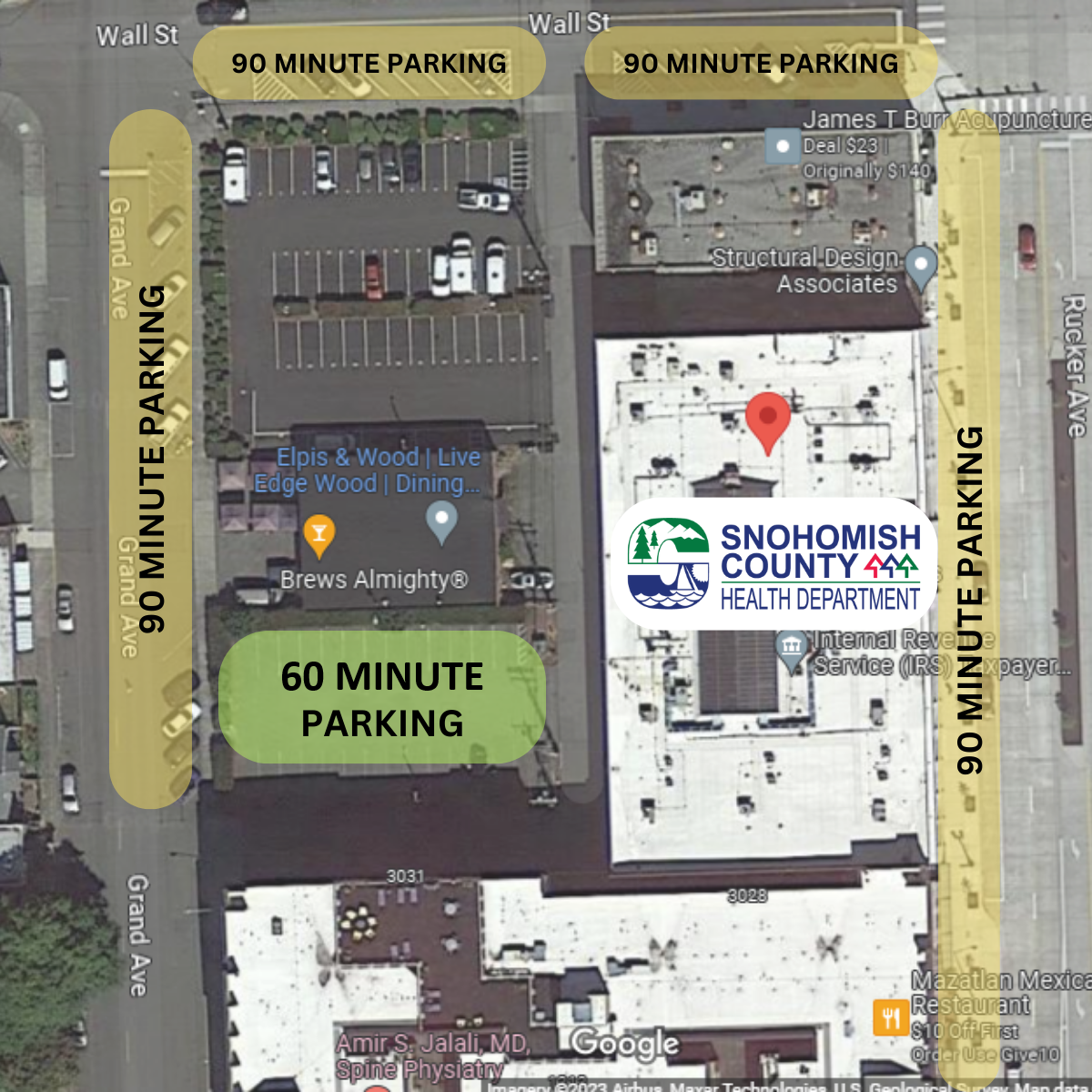
· Check-in: At the back door of the Health Department
· Parking: Available in the parking lot behind the Health Department building across from the back door.